
When you talk about Memphis rap, it’s impossible to ignore the firestorm that was the Playa Fly vs. Three 6 Mafia beef. It wasn’t just a music clash—it was a deeply personal, years-long war between some of the city’s most legendary voices. It gave birth to diss tracks, changed the course of underground rap, and left a mark that’s still felt today.
Here’s the full story—raw, unfiltered, and straight from the streets.
Playa Fly’s Early Days with Three 6 Mafia
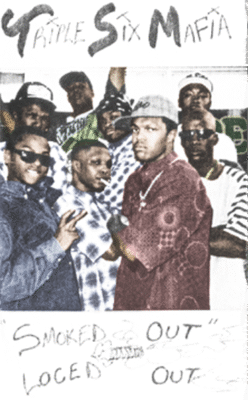
Before the smoke, Playa Fly was known as Lil’ Fly, a rising star in Memphis and a core part of what would become Three 6 Mafia. As part of their original circle in 1994-1995, Fly contributed to their dark, hypnotic sound that would come to define early Memphis horrorcore. In fact, DJ Paul produced Playa Fly’s debut EP, “From Da Darkness of Da Kut” in late 1994, which remains a cult classic hit in the Memphis underground.
Fly had a both unique energy and voice. His lyrical depth, real-life street content, and soulful cadence gave him a standout voice. He was featured on Three Six Mafia’s debut album Mystic Stylez in May 1995. And perfomred on the song “Live By Yo Rep”
The Breaking Point: Betrayal Behind the Boards
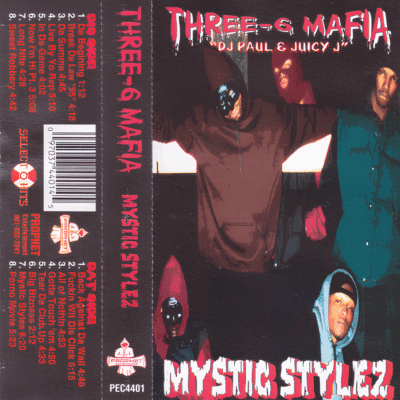
Everything changed around the time Mystic Stylez dropped. Though Fly was featured on the album, fans quickly noticed the intro to “Break Da Law ’95”—which allegedly portrayed him getting jumped. That skit sent a clear message: Playa Fly had officially fallen out with the crew.
Making it more chaotic, another track on the album—“Big Bizness”—was a diss aimed at Gangsta Blac. Fly’s childhood friend from South Parkway and Lauderdale, the same person who introduced Fly to DJ Paul. So even while collaborating, Three 6 was already sowing the seeds of internal beef.
At this point, Playa Fly was already distancing himself from the crew. Whether it was about creative differences, control, or loyalty, the reason for their split has never been made public or even hinted at in the 30 years since this album released.
Triple Bitch Mafia: The Diss That Rocked the City
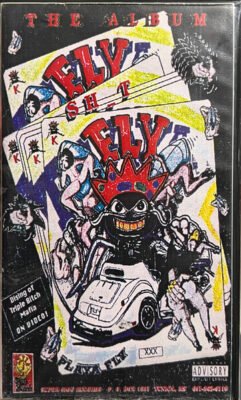
In 1995, Fly dropped his solo project “Just Gettin’ It On” in November 1995 with producer Talio. One of the many notable tracks on that album was the cleverly titled, “Triple Bitch Mafia”. A scathing, name-dropping diss on his former team. He called out DJ Paul, Juicy J, Gangsta Boo, and the rest of the Mafia without flinching.
By October 1996, Fly reissued the track as “Flizy Comin’ (Triple Bitch Mafia Pt. 2)” on his second album Fly Shit—this time with nationwide distribution. It was a bold move, letting everyone outside Memphis know what time it was. Triple Bitch Mafia quickly became one of the most infamous diss tracks in Southern rap history.
The Return Fire: Three 6 Mafia Strikes Back
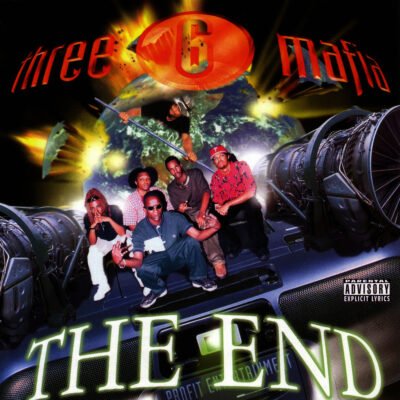
Three 6 Mafia responded in December 1996 with “Gotcha Shakin’” off their album The End. But it wasn’t just the bars—they straight-up used the same beat as Playa Fly’s diss track, turning the energy back on him. DJ Paul even bragged, “I’ma take your beat and go nationwide with it.”
This wasn’t a subtle jab—it was a statement. The beef was no longer local; it was on wax, in the streets, and in the clubs.
The Gangsta Blac Connection
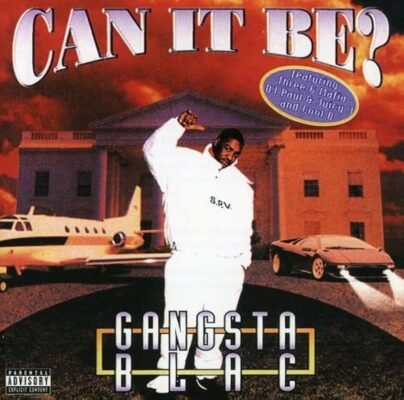
At this same time, Gangsta Blac who had previously left Prophet Entertainment in 1995. eventually returned to record with them after a brief falling out with his friend Playa Fly. To record and release his first offical album with Three Six Mafia, after his underground tape “Breaking The Law” released in Spring 1994. His first real album was recorded entirely in Skinny Pimp’s Gimisum studio in 1996, and was titled “Can It Be?”, which released in October 1996. The same month Playa Fly dropped his album.
On Three 6 Mafia’s track “Da Connect”, DJ Paul warned Blac, “You know your roadies ain’t gonna like this, though…” Blac responded with his verse, referencing Fly again—further proof that even among old friends, alliances were messy and loyalty came with risks. The relationship between Blac and Three Six would be even more brief this time as it seems like they had essentially disbanded immediately after this album was recorded and released.
Escalation and Evolution: Late ’90s to Early 2000s
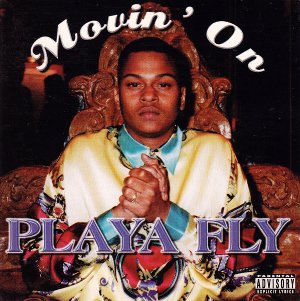 By June 1998, Playa Fly dropped the now-classic album “Movin’ On”, which included “Nobody Needs Nobody”. Gangsta Blac was back in the fold as Fly’s partner-in-rhyme, and their chemistry was undeniable.
In 1999’s Da Game Owe Me, Playa Fly kept it going with “Breakin’ Da Law” (featuring Gangsta Blac and Terror), where he called out DJ Paul as “Handi-man” making fun of Paul’s obvious birth defect in his right-hand. The drama was still very much alive.
Even when Three 6 Mafia cooled on the direct disses, subliminals were still there. Fly re-released “Just Gettin’ It On” in April 1999 with “Fuck A Wanna Be”, while Three 6 dropped “Wanna Be” on the Whiteboyz soundtrack. Coincidence? Doubtful.
Three Six Mafia’s Underground Volume #3 released in October 2000 and had tons and tons of disses towards Fly on it. The first song “Fuck What U Heard” is a direct diss to Fly. other disses towards Fly on that album included “Grab Tha Gauge” and “Jealous Azz Bitch”
Then came sample wars: Project Pat’s “Life We Live” from 2001 used the same sample as Playa Fly’s “Minnie Mae Mafia” from 1998. More side-eyeing. More tension.
A Brief Reconnection… and More Smoke

In Septemeber 2003, Playa Fly appeared on Gangsta Boo’s remix of “Sippin’ and Spinnin’”—a rare moment of near-reconciliation. But the animosity wasn’t dead. Despite working with Boo, Fly had previously fired shots at her with bars like “ugly duckling of the crew/facial features favor hell.” On top of that Gangsta Boo herself was already dissing her former group as she had already left the same year. On top of that again, Fly was already serving a 7 year prison sentence beginning in 1999. Meaning he either recorded his verse from jail. Or they used a pre-recorded verse. Still, it was a step toward something like peace… kind of.
Still Triple Bitch: 2025 and Beyond
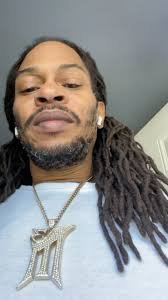
The years passed, but Fly never let it go completely. As recently as 2021, he was still dissing Three 6 Mafia in interviews and on social media. On Instagram, he once again referred to them as “Triple Bitch” (📸 Link), showing that even decades later, the wounds hadn’t healed.
Legacy: Beef That Built the Culture
Though never fully reconciled, the Playa Fly vs. Three 6 Mafia beef helped shape Memphis rap. It was raw, personal, and full of real emotion—everything that defines Southern hip-hop at its roots.
Both parties went on to have lasting careers:
-
Playa Fly with albums like Fly Shit, Da Game Owe Me, and Movin’ On.
-
Three 6 Mafia with platinum records, global tours, and even an Oscar.
Despite the tension, mutual respect has surfaced in interviews over the years. DJ Paul and Juicy J have acknowledged Fly’s role in the movement, while fans continue to celebrate both sides of this legendary chapter. Playa Fly has been endorsed by legends like Zaytoven who has gone on to produce many of his tracks.
Final Thoughts
Memphis has always been known for its unfiltered style and no-nonsense artists, and this beef proved that rap in the South wasn’t afraid to get personal. Diss records like Triple Bitch Mafia and Gotcha Shakin’ are forever etched in Southern hip-hop history—not just for the shots fired, but for the way they captured an era.
Whether you rep Playa Fly, Three 6 Mafia, or just love Memphis rap as a whole—this beef is part of the DNA that built the underground. And in Fly’s own words? “He’s STILL Triple Bitch!”


Pingback: My Homepage